

Tag Archives: student loans

Listen carefully, I shall say this only once – Weeknote #401 – 6th November 2026

It was back to London again this week. I was attending the WonkHE event, The Collaboration Question.
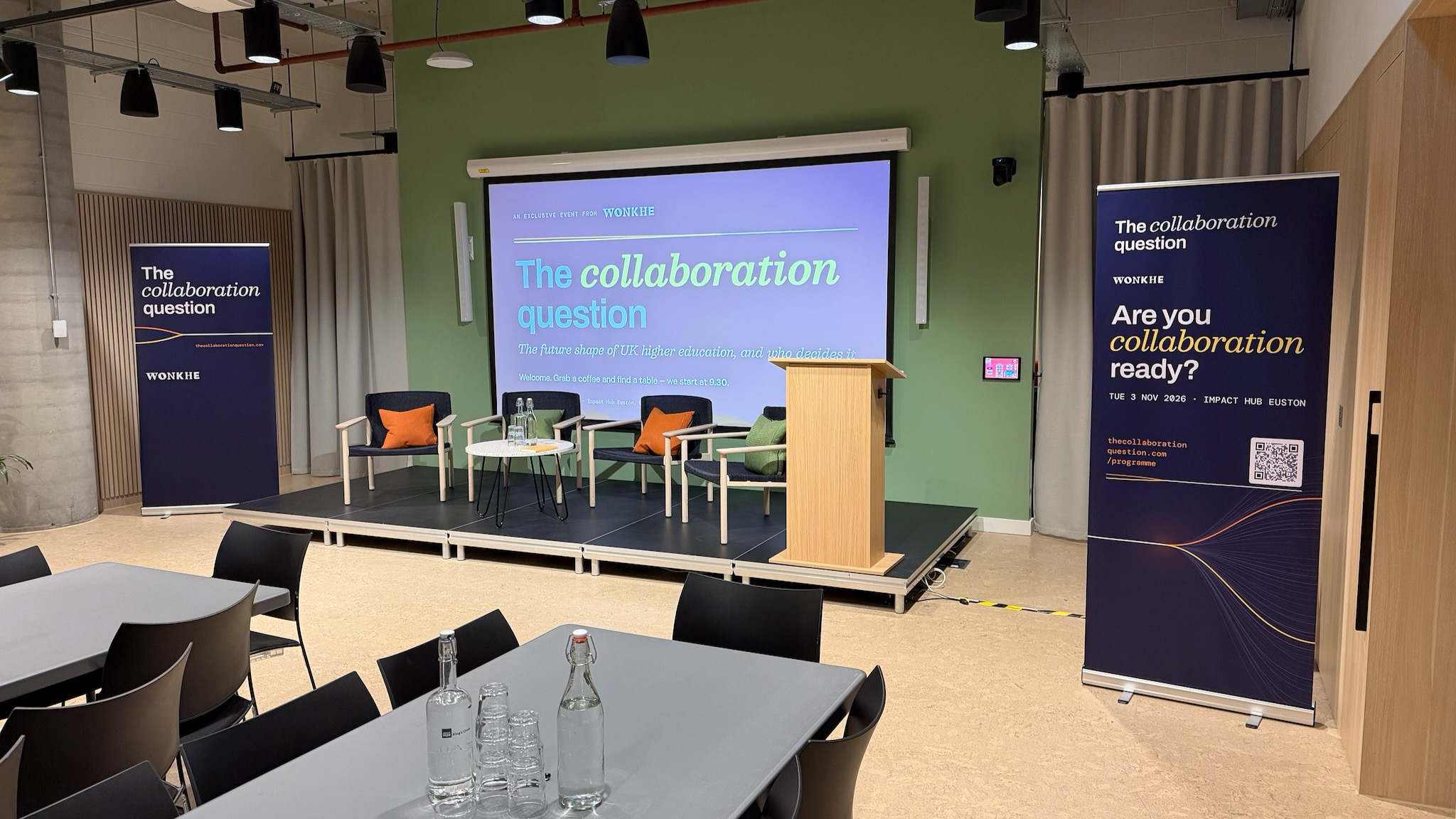
I have spent much of the last two years working in the collaboration space, and though I wasn’t sure about what I would personally learn from the event, I was interested to see what others were doing and thinking in this area.

In the end I really enjoyed the event and got a lot out of it. There is huge potential for collaboration in UK higher education and research. Not that collaboration isn’t already happening.

I still feel though that many of the conversations are striving to solve the “problem” of collaboration. Personally I see collaboration as a solution to other problems. For example financial sustainability of the sector, could collaboration be the solution that enables financial savings to be made. There are examples out there that show this.
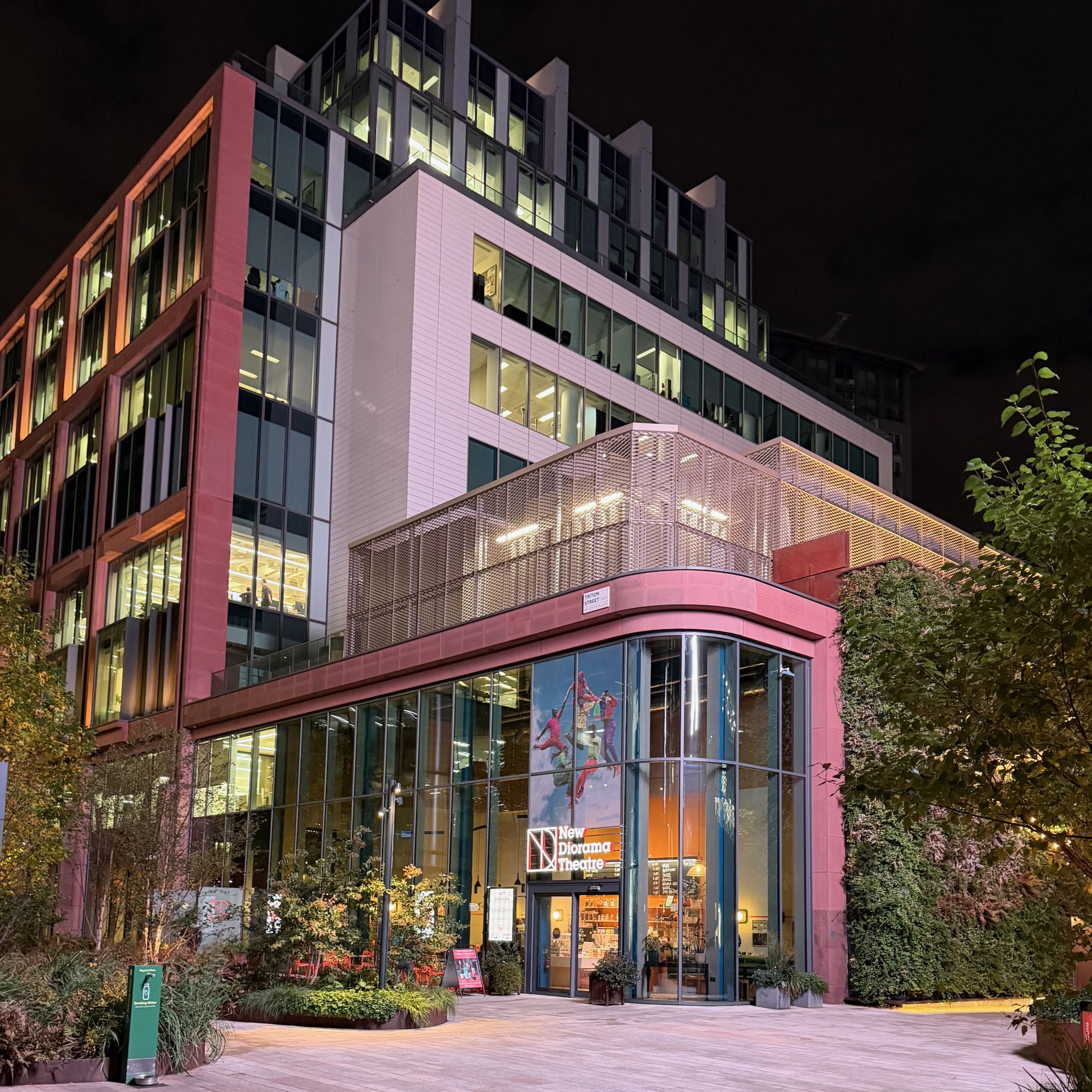
I headed to the Bristol office on Wednesday, was nice to work in the building, however traffic around Bristol when I wanted to leave the office was horrendous, so much so I turned around and went back to the office. I do appreciate the flexibility of my employment means I am not commuting every day to the office.
There is ongoing negotiations between the UK and the EU on student fees. With the work I have been doing in the student mobility space, I am watching this with interest.

We saw more press about the challenges in paying back student loans. For years we saw little or no coverage of the issue, but over the last twelve months there has been extensive main stream media coverage of the issues with student loans. This week the BBC reported on how ‘misleading’ student loans information left out examples of higher-salary repayments.

Several universities in England have only been using below-average salaries in examples of student loan repayments on their websites, the BBC has found. Treasury Committee chair Dame Meg Hillier, who led a recent inquiry into student loans, said some information about repayments was “misleading”, including one instance where they were compared to the “cost of a daily coffee”. She also said the Department for Education (DfE) must include higher-salary examples on its own website, too.

The cost of living with student loans

Group working
Image by StockSnap from Pixabay

Over the last couple of years I have been saying across various conversations about the impact of paying back student loans could have on future student recruitment. I would talk about how the next generation of students will be the first whose parents were required to take out student loans to pay their fees and for the maintenance. Their parents would have the seen the real life impact of their student debt on their lifestyle. It would reduce their real income and would have had an impact on other financial choices such as mortgage affordability.

You could quite easily see these parents advising their children to really think about university and also think about other possible options. 

We have seen some evidence of this with the huge demand for degree apprenticeships, getting paid, part time study, and no loans. The supply of such apprenticeships has certainly not increased to meet the demand.

When the government raised student fees, there was a almost audible sigh of relief from the university sector, however I do remember the press coverage of the time rarely if ever mentioned the impact of this on students. They would need get larger student loans.

Over the last few weeks there has been substantial press coverage about student loans, it certainly has become a political issue and is getting talked about on the news, in the press, and online. There have been whole programmes and features on the issues of student loans. What we are now seeing is human impact stories about loans.

The BBC News has published an article which makes for interesting reading.The article, Paying back my student loan is more painful now I have a young family, covers the story of a graduate who went to university in 2014 who took out a Plan 2 student loan. The one line from the article that stood out to me was this one.

Richmond is “really pleased” with where he’s got to in his career in recruitment. But he says he has colleagues doing just as well who didn’t go to university, so he questions whether he needed his degree.

When this comparison starts, then some people will start to think seriously about whether going to university, getting loans, is going to be the best option. Is there going to be that graduate premium in earnings that will offset the extra student loan charge.

On the WonkHE site, David Kernohan looks at the graduate premium in much more detail than I could ever do.

I think another factor out there is that university is no longer the life changing event was, even in the 2000s. I remember when I went away to university, it was a paradigm shift, the only way to communicate was by letter and using the payphone with huge queues. Today technology means even if you do go away to university, you don’t need to break everyday contact with friends and family. Likewise, in order to survive at university you will probably need to have a part-time job as well. Then, your life is not university, university is just something you do alongside everything else. That experience may mean that looking at alternative pathways for the same kind of benefit.

Something else which gets lost in the discussion is that for many students, they don’t go away to university they stay at home and go to their local university (to save money, but for other social reasons as well).  For many students alternative routes to higher education may become the preferable option.

There are lots of benefits to higher education, the question though going forward can you achieve those benefits in ways which don’t mean getting huge student loans and the negative impact that debt has for life after university.