Tag Archives: student data model

It’s coming home – Weeknote #355 – 19th December

The big news for me this week was the news that the UK will be (re)joining Erasmus+. The UK lost access to Erasmus following Brexit but this announcement means that in 2027 UK students will be able to study in the EU more easily. So what does the Erasmus announcement mean for UK higher education and for Jisc. I wrote up some thoughts from me on this.

We had our team Christmas meal and get together this week. Usually quite challenging for us to get everyone in the same place, as we are quite a geographically distributed team, even this time we didn’t have everyone. 

I continued my work into a student data model and the work SURF over in the Netherlands have done on this and the accompanying OOAPI. 

I also had some final meetings of the year with my European colleagues on various projects we are working on and potential routes to funding.

As the year comes to a close, the whole sector goes dark, as people take leave for the holidays. It is quite nice in some respects as virtually everyone takes the two weeks off, so there is little email and Teams messages.

Writing stuff – Weeknote #354 – 12th December

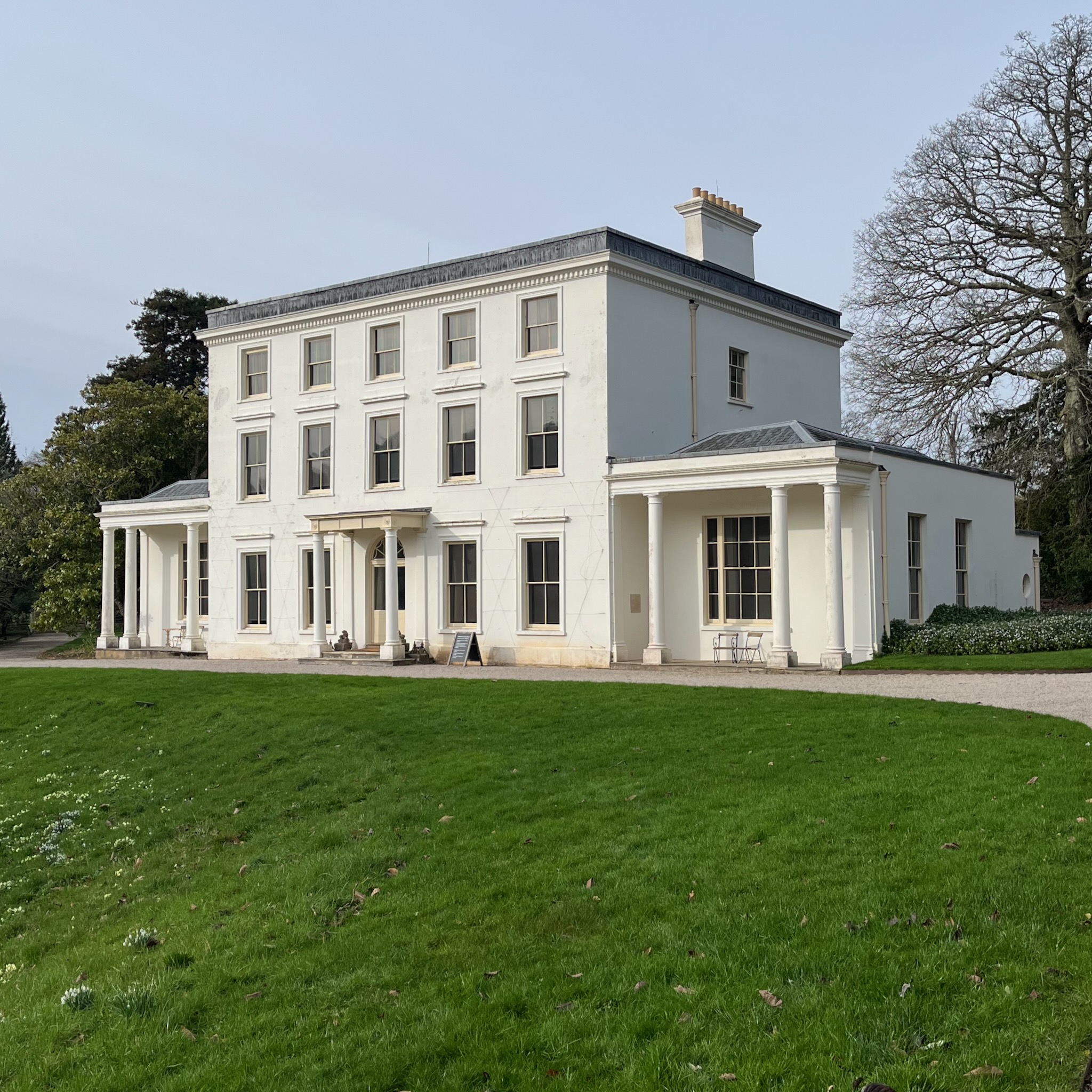
Road with houses

Took some leave this week, so a shorter week than normal. Did spend two days in Bristol where we had some Christmas festivities happening. Nice to see people I hadn’t seen in a while.

Spent time looking at and understanding various data models and standards. Over the last few weeks I have been looking at data models. This made me reminisce about the work I did back in the day with the Western Colleges Consortium, which I wrote about.

I also was reviewing some policies this week as well.

I had some mandatory training come up as well. My usual tactic with this is to just get it done and dusted, rather than procrastinating about it, avoiding all those email reminders and management messages on non-compliance and completion.

I found an WonkHE article on insolvency interesting and the current state of thinking at government and by others on what would happen if a university was to fail. I wrote up my thoughts. 

Typewriter
Image by Patrik Houštecký from Pixabay

I am trying to do more writing, on this blog, for internal communications, and potentially other places well.

Reminiscing about the Consortium

Over the last few weeks I have been looking at data models. This made me reminisce about the work I did back in the day with the Western Colleges Consortium. We had seven different college student record systems sending us student data which was then uploaded to a shared VLE. 

This was twenty five years ago, so though I am reminiscing, I this was some time ago, so I don’t remember all the details and I am probably misremembering some of this. The essence of what we did was that each night, each student record system would run a routine which would create an XML file of the student details, this would then be sent via secure FTP to our server which would collate all seven XML files into a single XML file and upload the student data to the VLE. It would both create new users, delete redundant users, and update where necessary.

What was key I think was that, though the student record systems had quite a lot of detail about the student, we didn’t need that information for the shared VLE. This was about accessing a system, we didn’t need ti know their date of birth, address and so on.

There were some challenges I remember in providing a course identification so that when the user was created on the VLE they would then have access to their courses only on the VLE.

It was certainly considered quite innovative at the time, and myself and others did a number of presentations about what we did.

Back then we didn’t have single sign on, so students would have to have another password in addition to the one they used to log into the college computers. Interoperability was something new to me back then and it was an interesting time in which I realised the many technical challenges in building an interoperable learning environment. One challenge for us was that the technical development in this area was very much focused on the single institution model and ensuring the institutional systems could talk (interoperate) with each other. The concept of a multi-institutional model was a step too far.

In the end the Western Colleges Consortium became defunct. The main reasons were college mergers, the seven became four, this made the financial model unsustainable. The shared platform wasn’t meeting the needs of the students and the requirements of the consortium. Finally, the compromises of collaboration were decided to be a barrier to further VLE usage and take up.

Today the core internal interoperability challenges appear to have been solved. Attending the 1EdTech conference in Delft earlier this year demonstrated to me how mature these educational standards have become.

With the changes in technology and the requirements of student mobility today (think LLE) means that the interoperability requirements have just gone up another level, as has the need for deeper collaboration. What does this mean, well that’s another blog post.

Discovering – Weeknote #353 – 5th December

coffee
Image by David Schwarzenberg from Pixabay

This week was the first week in quite a while that I didn’t have any serious travelling, actually checking the diary the last time I had a week with no travelling was the second week in October.

Spent much of the week looking at data models. This made me reminisce about the work I did back in the day with the Western Colleges Consortium. We had seven different college student record systems sending us student data which was then uploaded to a shared VLE. Back then we didn’t have single sign on, so students would have to have another password in addition to the one they used to log into the college computers. Interoperability was something new to me back then.

Joined an interesting meeting that I helped broker between the UK admissions organisation UCAS and the Finnish NREN CSC. One of the use cases in the European Higher Education Interoperability Framework is on discovery and application.

Blenheim Palace
Image by Ad Vertentie from Pixabay

In a conversation with a colleague last month they mentioned the potential impact of AI on estate data, something they thought I might be interested in, in relation to my long history with the intelligent campus. At the recent HE Transformation Expo in Birmingham I was talking to my fellow presenters and they also mentioned this. So, where to start, well I did a quick Google search and an article came up in my search results: Oxford Brookes University expertise in AI helps Blenheim Palace. I wrote a short blog post on Intelligent Visitor Attractions.

Amsterdam is not just a city, it’s a state of mind – Weeknote #352 – 28th November

light display on the canals of Amsterdam

This week I was off to Amsterdam once more, this time for the GÉANT CTO workshop which I was helping to deliver a session for.

I spent time on Monday reviewing the two events I had attended in London and Birmingham over the last two weeks. What they were like, who was there, and what (if any) were implications for Jisc.

Tuesday I flew out from Bristol to Amsterdam. This is quite a quick flight. I had anticipated a lengthy wait at passport control, but it wasn’t that bad in the end. They did have the new EES system, which meant scanning my face and fingerprints. I thought that would be that, but I then had to go through the automated passport gate, which didn’t work for me. So, it was then to a manned passport booth. Got my passport stamped (which I thought EES would stop, maybe it will, but not at the moment). 

Prior to the workshop I spent time preparing going through my notes and the presentation slides we were going to use in our session. I also had various online (and in-person) meetings as well.

The workshop went very well, with lots of positive comments about the approach and lot less resistance than expected.

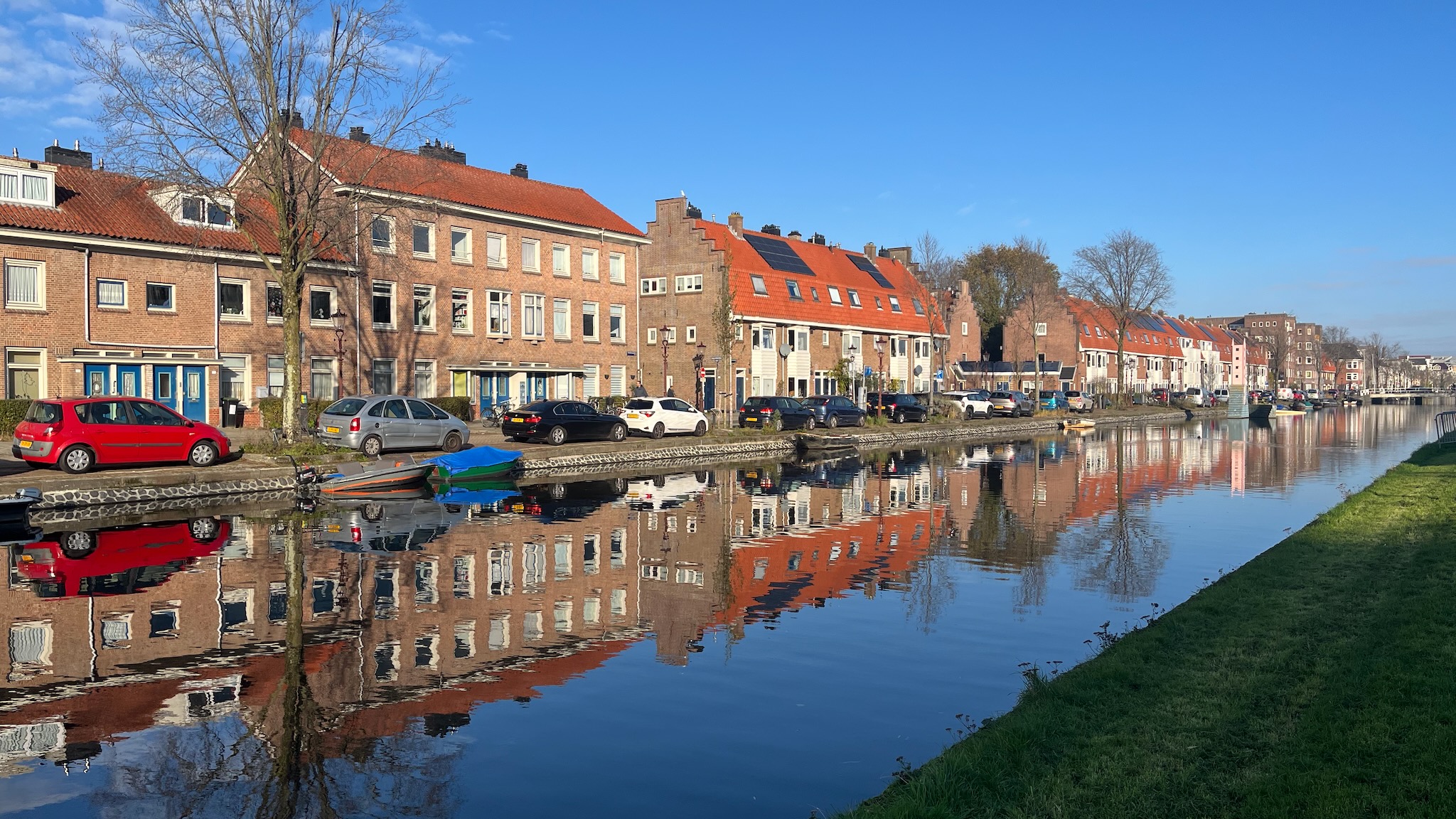
houses along a canal

I have also been looking at student data models and how SURF in the Netherlands approach this with regard to sharing data about students, courses and other aspects of education. A very different approach compared to the UK.

I had an afternoon flight back to the UK, so didn’t get back too late.