Tag Archives: géant

Stuck in Stockholm – Weeknote #393 – 11th September 2026

This week was a busy week, and a longer week in many different ways. The original plan was Luleå in Sweden and then Brussels before heading back home. However in the end it didn’t go to plan.

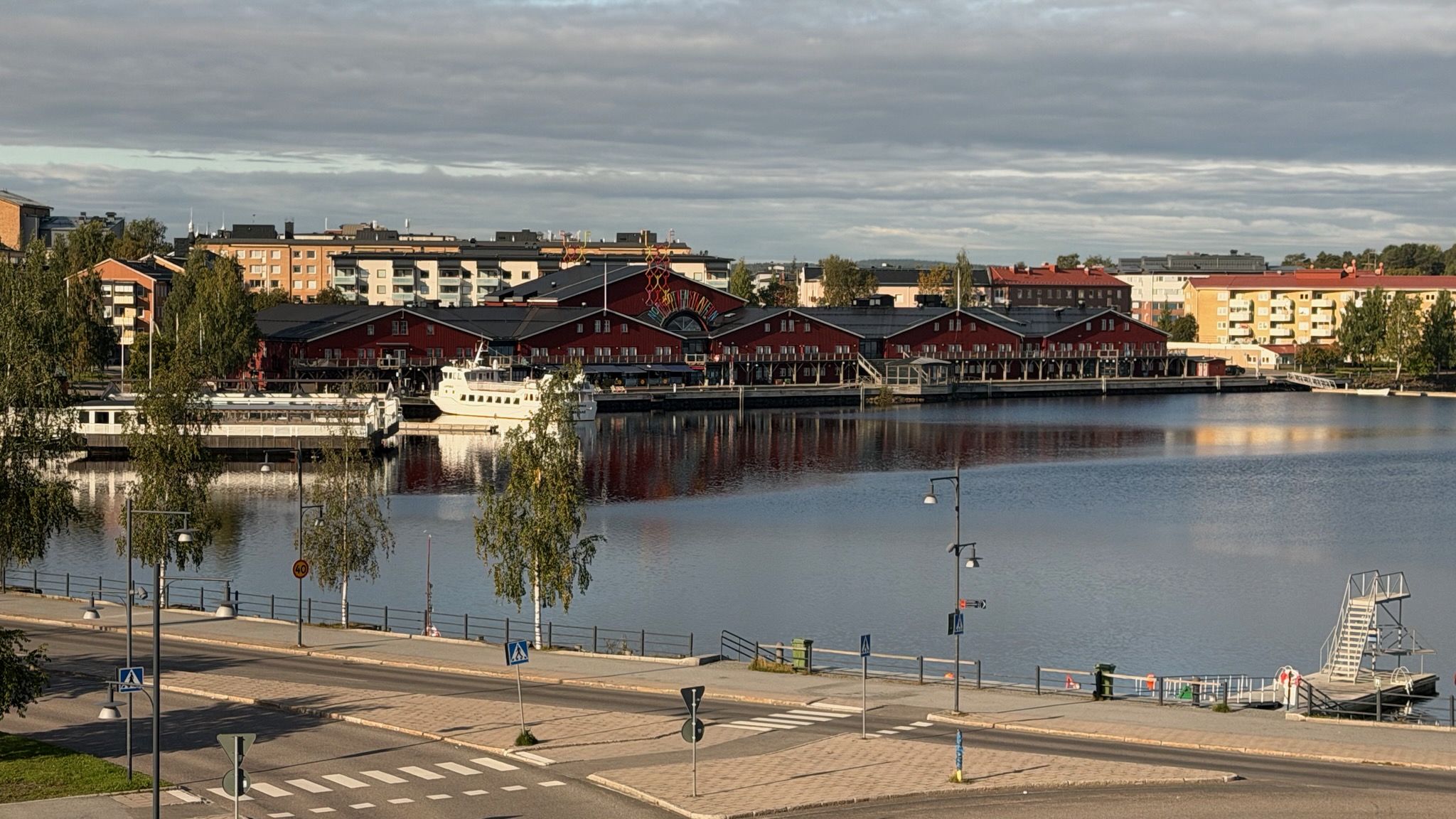
I was travelling to a GÉANT SIG-EDU meeting in Luleå in Sweden. The meeting was all day Monday, so I planned to arrive on Sunday, this meant a morning flight from Heathrow, which meant an overnight stay at the airport on Saturday night. After the SIG-EDU meeting the plan was to fly back to London on the Tuesday.

Having had a great time in Luleå I made my way home. The flight from Luleå to Stockholm was fine, I then made my way to the departure gate for my flight to Heathrow. 

However…

This was the day that the air traffic control system at Heathrow failed and over a thousand flights were cancelled.

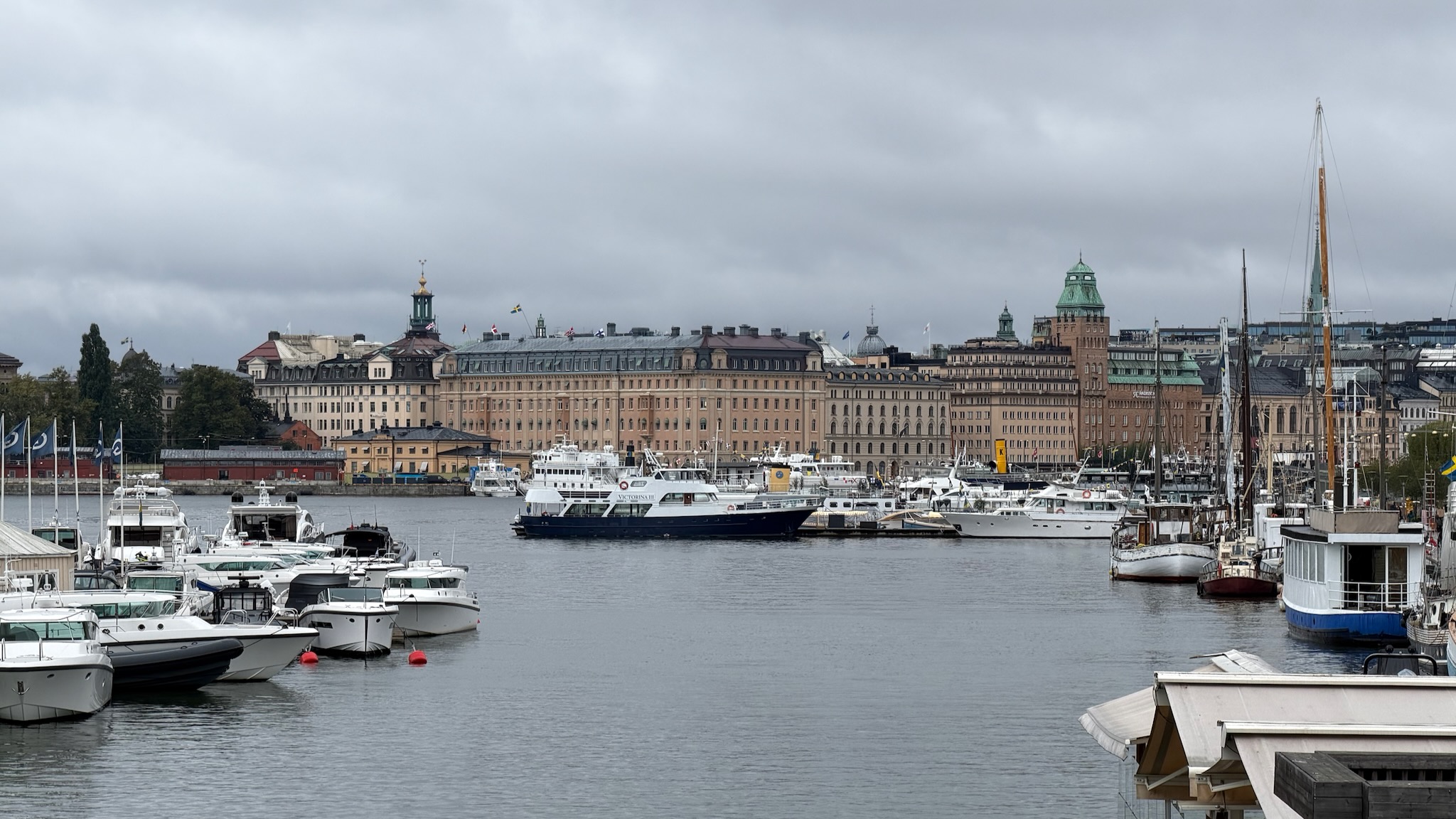
My flight was that evening, and I think SAS thought they might be able to take off, however in the end that was not to be the case. With the number of cancellations, the earliest flight SAS could rebook me onto was three days later. So, SAS booked me a hotel for three days. I now had three unplanned extra days in Sweden. I also had to cancel my trip to Brussels, as I had no way of getting there from Stockholm.
Anyhow back to SIG-EDU in Luleå. The focus of the meeting was education and AI. I was attending as I was thinking about the European perspective on AI and how NRENs were positioning themselves in relation to that perspective.

Often the focus of these kinds of meetings is on the use of LLM AI by students, though there was some of this, other aspects of how the university sector could utilise AI for supporting the business function was also discussed, as well as the political position as well. I was intrigued that quite a few NRENs are looking at providing AI services for their university customers. Another aspect was the cost of AI, not just the environmental impact (which has been making the news) but also the cost of “tokens” when using AI.

The following day I was going back to Heathrow, but as mentioned, my connecting flight was cancelled and I was stuck in Stockholm for three days.

In the end I was able to attend my meeting in Brussels remotely, as a special case was made for me. However, what did miss was the informal conversations I wanted to have with colleagues pre and post the meeting.

I eventually left Stockholm on Friday evening and my flight back to London was without incident.


Sun Loungers and Towels – Weeknote #375 – 8th May 2026

sun loungers by a pool
Photo by Andres Siimon on Unsplash

A shorter week with the bank holiday and all that.. Talking of holidays, I read this news article on the BBC News site about reserving sun loungers with towels.

A German tourist has won a payout of more than €900 (£850) after he was unable to secure a sun lounger due to other guests reserving them with towels.

Of course if you were to go down to the swimming pool you would find that there were plenty of empty sun loungers (with towels on them). Reminds me why I never used PC booking software when running my libraries. Students would reserve PCs with their “towels” and then never turn up. The PC was unused and unavailable for others to use. Same can be said with sun loungers.

rock formation

I had a number of meetings this week about the creation of a GÉANT group building on the success of NRENS 4 Education and the work we have been doing looking at student mobility. 

The end of the week saw me attending a meeting with the OfS, one of the regular meetings Jisc has with the OfS. I spoke about some of the work we have been doing in the student experience space.

steam train

The current consultancy project I am involved in is going well. 

Quite Quiet – Weeknote #371 – 10th April 2026

Another shorter week with Easter Monday. I was working this week, but many of my colleagues had taken the week off, so it was somewhat quiet in the “office”. Actually quite quiet across the sector as many people were having a break at Easter. I suspect next week might be quite quiet as well.

Having said that, I did present at an online event this week, a Public Policy Exchange webinar on supporting university students. The focus of my presentation was about innovation in (essentially) curriculum design, and the importance of interoperability in all that.

Finished adding my comments to a review of the GÉANT TF-EDU survey which goes out soon. The survey looks at how NRENS across the GÉANT community support, provide or deliver services for education. 

I have also been writing up some of the internal conversations I have been having around the European Higher Education Interoperability Framework (EHEIF) and what this means (or could mean) for the UK and Jisc.

Did some logistical planning for my trip to Leeds in a couple of weeks where I am on a panel session at the AUDE conference.

I was reminded again this week about how often “solutions” are seen as the problem that needs to be solved, so much so, that the actual problem is lost in the background. 

Competing collaborators – Weeknote #360 – 23rd January

This week I was working from home. There was lots of rain and wind. The space I had gave me time to write up the workshop I attended last week. The write up also included the work I have been doing and the meetings I have had in this space over the last two months. I also had a number of meetings on the work.

This week I also presented at a GÉANT webinar on education. My part was discussing about possible alignment with existing funded work by NRENs across Europe. There is real diversity across the NERNs in Europe about the services they provide for higher education and research. Some, like Jisc, provide a range of education based services, others go further and even provide VLEs. There are though many NRENS whose primary area is research. Obviously it’s not that education doesn’t happen in that country, but that responsibility is down to other organisations.

Image by rawpixel from Pixabay

On Friday the CMA (Competition and Markets Authority) published guidance on collaboration in higher education. This clarity about collaboration within the sector has to be welcomed. The law has not been changed, but the clarification can provide reassurance to the sector that looking to work together, sharing services and resources, as well as more formal collaboration is potentially possible. Part of me though does wonder, if the apprehension about collaboration was using the CMA and competition law as an excuse for not looking at collaboration rather than an actual reason not to collaborate. This new guidance mitigates that excuse now.

Amsterdam is not just a city, it’s a state of mind – Weeknote #352 – 28th November

light display on the canals of Amsterdam

This week I was off to Amsterdam once more, this time for the GÉANT CTO workshop which I was helping to deliver a session for.

I spent time on Monday reviewing the two events I had attended in London and Birmingham over the last two weeks. What they were like, who was there, and what (if any) were implications for Jisc.

Tuesday I flew out from Bristol to Amsterdam. This is quite a quick flight. I had anticipated a lengthy wait at passport control, but it wasn’t that bad in the end. They did have the new EES system, which meant scanning my face and fingerprints. I thought that would be that, but I then had to go through the automated passport gate, which didn’t work for me. So, it was then to a manned passport booth. Got my passport stamped (which I thought EES would stop, maybe it will, but not at the moment). 

Prior to the workshop I spent time preparing going through my notes and the presentation slides we were going to use in our session. I also had various online (and in-person) meetings as well.

The workshop went very well, with lots of positive comments about the approach and lot less resistance than expected.

houses along a canal

I have also been looking at student data models and how SURF in the Netherlands approach this with regard to sharing data about students, courses and other aspects of education. A very different approach compared to the UK.

I had an afternoon flight back to the UK, so didn’t get back too late.

Cream, two sugars – Weeknote #349 – 7th November

This week I was in Amsterdam for a GÉANT workshop on education and their strategy.

As I was anticipating that the new Entry/Exit System (EES) would be in place at Schiphol Airport I didn’t want to take a late flight to Amsterdam or try and get there first thing on the day of the workshop. Though the EES wasn’t in place at Schiphol, it still took me longer to get out of the airport after landing then the time if took to fly from Bristol.

I had a late flight back, so spent the afternoon of Thursday working in the GÉANT office.

Next week I am in London for the WonkHE Festival of Higher Education where I am speaking on a panel about collaboration. I am doing some preparation for that.

coffee

Saw on WonkHE that Nestlé had undertaken a survey on student coffee drinking habits, now I had to read that. With my intelligent campus and learning spaces work I have visited many different university campuses, one constant feature was coffee shops, sometimes chains such as Starbucks and Costa, other times it was home brewed coffee places. Of course, all were selling espresso based drinks. I look back at my university experience in the late 1980s and I trying to recall what was available back then. There wasn’t any espresso type coffee on sale, and I suspect that it was probably filter coffee, or even instant.

Just to note I did write an interesting blog piece on coffee analytics a couple of years ago and could we combine data on coffee drinking (along with snacks and tea) with other student data sets to better understand the student experience. I actually think we could still do that. I wrote some more on that here.