
Flickr – iPhone App of the Week

Flickr – iPhone App of the Week

Flickr - iPhone App of the Week

This is a regular feature of the blog looking at various Apps available. Some of the apps will be useful for those involved in learning technologies, others will be useful in improving the way in which you work, whilst a few will be just plain fun! Some will be free, others will cost a little and one or two will be what some will think is quite expensive.

This week’s App is Flickr.

Get the power of the world’s largest photo-sharing site in the palm of your hand! The all-new Flickr App is a complete redesign of the previous version. It’s now easier to use, more beautiful and includes more of the great features you love using on Flickr.com

Free

Flickr Opening Screen

When the iPhone first had apps there was a Flickr app released, which to be honest wasn’t much good, so I used FlickStackr instead, which I did review back in 2010. Yahoo have now updated and released a new version of the Flickr app and I have to say I am very impressed with both the ease of use and the functionality. This is the app that should have been released back in 2010, it would have certainly made people think twice about signing up to Instagram. With their change in terms, more people now might want to look at Flickr instead.
Continue reading Flickr – iPhone App of the Week

Would you like fries with that?

I spoke at the UKSG e-Resources for FE event in London today.

Research from the University of Huddersfield shows that the number of visits to the library has an insignificant impact on learner achievement. However in the same study it was shown that students who took out more books, or used more e-resources achieved higher grades.

How can a library service engage learners who visit the library to utilise more of the resources available to them?

What strategies can be used to increase the use of e-resources and the lending of books?

Can we learn from major retailers, high street chains and other companies and implement their ideas into the library?

James Clay from Gloucestershire College discusses the strategies they have been using to increase the use of books and learning resources by learners.

hpE BDay tx

hpE BDay tx

Today the humble text message turns twenty. It was in 1992 that the first text message was sent an engineer from Vodafone, sent the message “Merry Christmas” from a PC to a mobile device using Vodafone’s UK network.

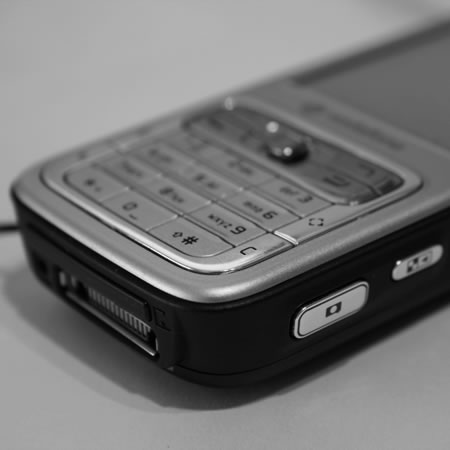
I don’t recall the first text message I sent, but it was one technology that I have never really taken advantage of. The average number of text messages sent per month is fifty, in November I sent twenty-five. I only really started sending text messages when I got my first iPhone. I think my problem was with predictive text or even understanding texting language. The advantage of the iPhone was a proper keyboard and not needing to try and use a numeric keypad. I could never get my head around the numeric keypad and did like and prefer the qwerty keyboard.

Still have that today when people send me texts, sometimes I have no idea what they are trying to say! I know, I know, I am getting old…

There are signs from Ofcom that the use of texting has peaked and is on a decline. However I suspect there are many colleges and universities out there which are not making the most of SMS and in many ways you could argue that they have missed the boat on this. Unless you are at the point of a mainstream rollout, I would say now is not the time to start researching or planning, or setting up a project on SMS texting. Still time to make the most of it with students perhaps in the classroom, but even then maybe using a different service would be a better idea.